

Terry Primas

Terry Primas
A sense of place
Terry Primas Unearths the History of the Old Stagecoach Stop & Pulaski County
History echoes all around us. Events that are decades, even centuries past ripple throughout Pulaski County, MO. From the establishment of Fort Leonard Wood during World War II to lesser-known events waiting to be rediscovered, Pulaski County is filled with local legends providing a captivating look at the people, places, and moments that continue to shape our community today.
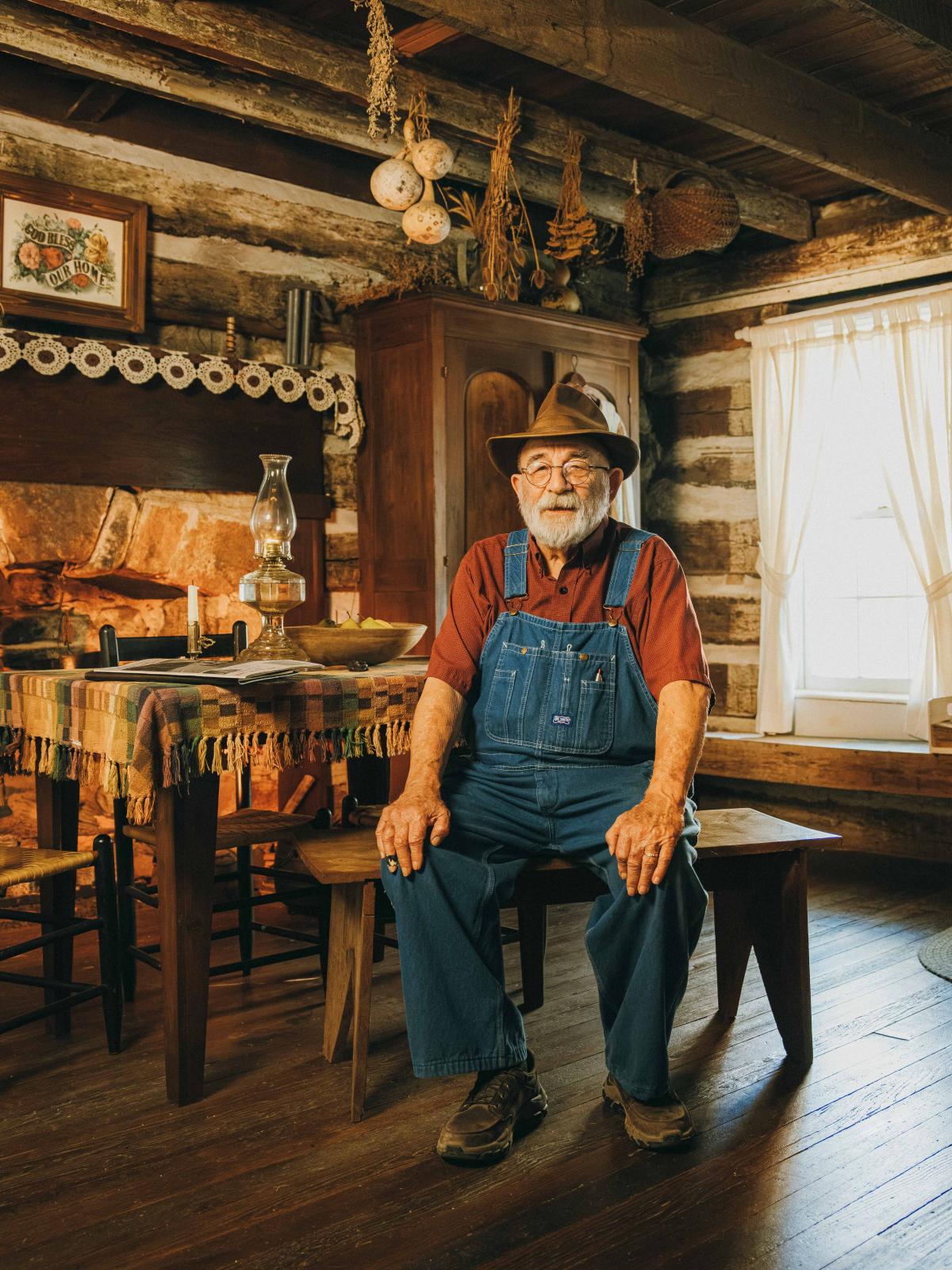
Terry Primas didn’t originally intend to become a historian of Pulaski County. In fact, by his own admission, he didn’t have much interest in history when he first arrived here in 1975. At the time, he and his wife, Jan, lived in Alton, IL, and only traveled to Pulaski County when a friend had purchased a resort. Like so many others who venture into this corner of the Ozarks, the Primases fell in love with the area; two years later, they relocated to the southern part of the county.
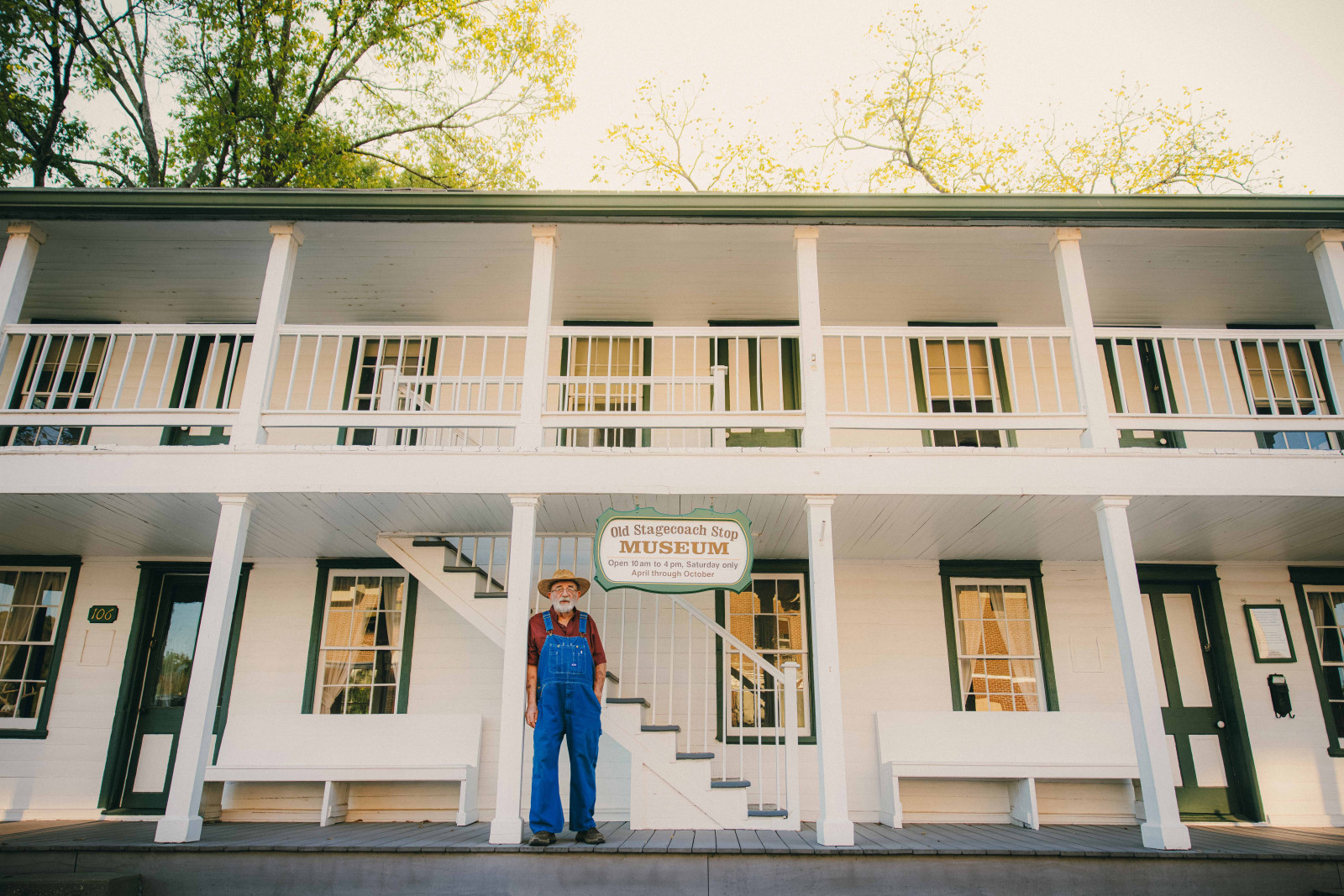
In a short time, Primas became ingrained in the community, teaching a gifted-student program focused mainly on science in the Waynesville R-VI School District. Primas guided his classes on field archaeology trips to historic sites around the county, but a new opportunity in 1989 gave them a chance to literally dig deeper into the history of Waynesville and Pulaski County. At that time, the Old Stagecoach Stop Foundation had recently saved the historic building from demolition, but the sagging floor needed renovations, which meant removing dirt from the crawlspace underneath. A contractor quoted the Foundation about $10,000 for labor — an estimate Primas said was about $10,000 more than the Foundation had — so Primas and his students came to the rescue at the request of then-Board President John Jarrett.
“I approached my oldest group of students, eighth graders, and told them about the board’s proposal. I said, ‘Now, we can excavate underneath there, and we have to do it using proper archaeological techniques that we’ve learned, with preservation of the artifacts. To tell you the truth, I don’t think we’ll find anything underneath there, but it’ll be a good community service project,’” Primas explained. After the students answered with a resounding “yes,” they set to work and soon discovered a motherlode of historical treasures. “We found hundreds of artifacts. Finding those artifacts had a lot of ripple effects.”
Items like horseshoes, nails, and whiskey bottles from the year Prohibition ended were meticulously cataloged, reflecting the various roles the Old Stagecoach Stop had served since William Walton McDonald built it in the 1850s. After preserving the artifacts and documenting them on microfilm, Primas began wondering what other tales from the county’s rich history were waiting to be rediscovered.
“I got interested in history because of my students,” Primas remembered. “You see, it’s supposed to be the other way around. The teacher is supposed to interest the students in history.”
Soon after, the class learned McDonald’s first wife, Mary Jane, had died in 1878. A search for her grave yielded tips from other Pulaski County residents that led them to an overgrown graveyard in the southeastern part of the county, which the Pulaski County Historical Society at the time believed held only 14 graves. Thanks to the hard work of Primas and his students, 61 graves were identified — including the late Mrs. McDonald.
Unearthing the stories of the Old Stagecoach Stop spurred a newfound passion for Pulaski County’s history. From poring over old newspapers and microfilm to gathering stories from locals passed down through oral tradition, Primas has documented a comprehensive history of Pulaski County spanning a range of subjects, publishing four books with a fifth in the works. One area of particular interest is the resorts along the Big Piney and Gasconade rivers, formerly havens for vacationing sportsmen from St. Louis, promoted in some of the county’s earliest visitor guides.
“People have been coming to Pulaski County since the 1890s because of the fishing, the hunting, and the scenery. They would come by train, for instance, from St. Louis and get off at one of four train depots in the northern part of the county,” Primas said. “The resorts were established at the springs, particularly along the Gasconade. By the 1920s, with the advent of the automobile, getting here became much faster and a much better ride than by train. But more than that, you weren’t limited to getting off at one of four railroad depots. That brought even more tourists and recreation to the area. The Frisco Railroad did a heck of a job publicizing Pulaski County with an annual vacation guide in the Ozarks, as well as the St. Louis Post-Dispatch and the Globe Democrat, which had hunting and fishing columns that extolled all the outdoor activities in wonderful Pulaski County, Missouri”
The arrival of America’s most famed highway only made the process smoother, Primas stated. “When Route 66 was paved in 1930, things got even easier and faster, which brought even more tourists and recreation. This time, sportsmen came with their families. Pulaski County became a very popular vacation destination.” As transformative as the road itself was, it also served as a qualifying factor in the establishment of Fort Leonard Wood in 1940, which Primas said “drastically changed” the trajectory of Pulaski County, Waynesville, and especially Saint Robert.
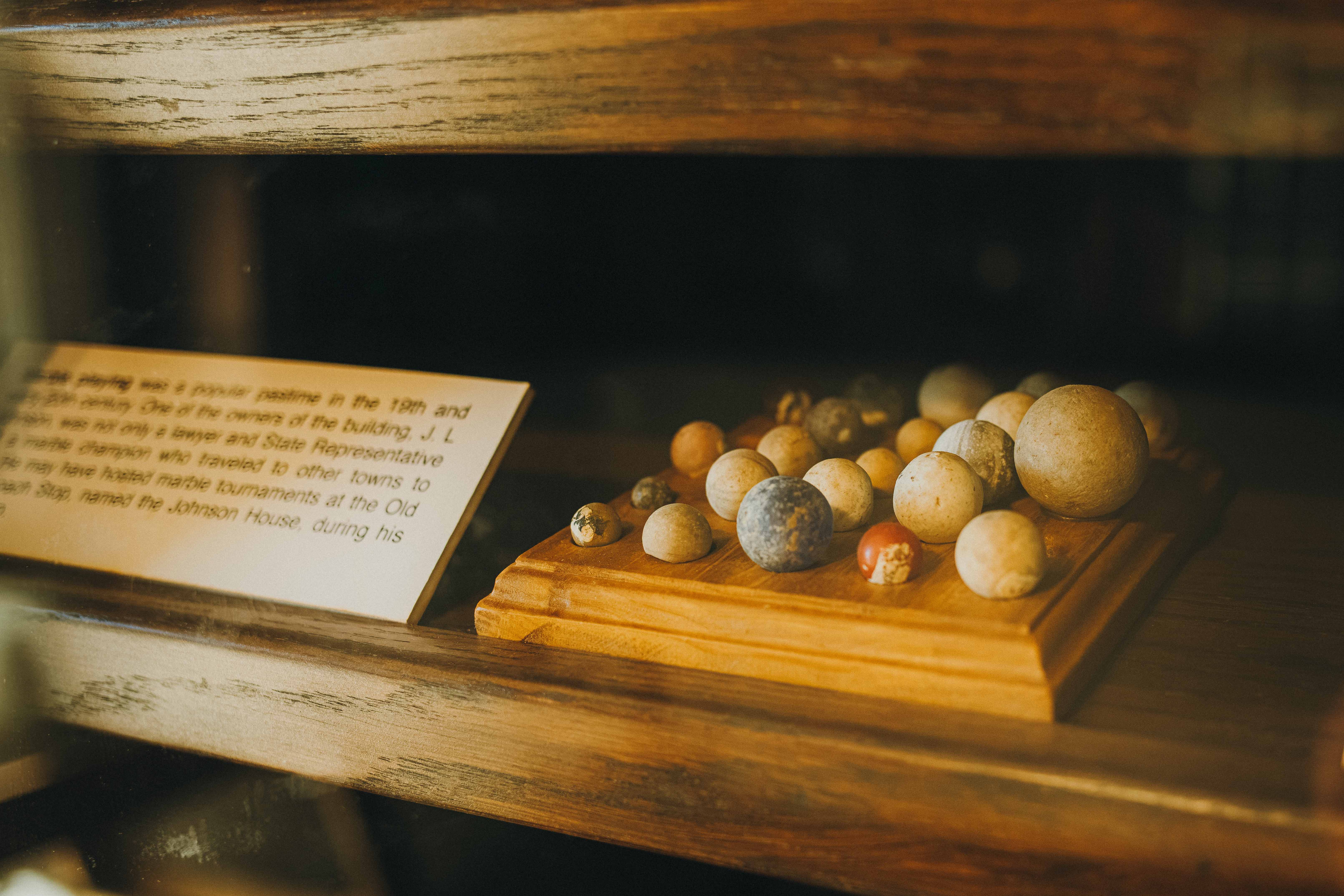
Just as it did generations ago, the Mother Road continues to draw tourists to Pulaski County, Primas said, especially in 2026 for the highway’s 100th anniversary. “Interest in Route 66 for the last few decades has been good, but this year it’s great. At the Old Stagecoach Stop, we experienced a great increase in visitors, mostly as a result of the road. One of our volunteers deals in statistics, so he has numbers on everything. This is our 31st year as a museum, and it’s going to surpass any of our previous years in attendance by far.”
Through his research, Primas has rediscovered stories once lost to the passage of time, now shedding light on life throughout the county — including amusing tales like the crate of shrimp thrown off a downshifting truck and sold as fishing bait, or compiling previously unseen photographs that offer a rare glimpse at the early 20th century. Primas has served in numerous tourism roles around Pulaski County — including a Route 66 bus tour guide and a member of the Old Stagecoach Stop Board of Directors —enjoying the opportunity to share the fascinating history of the Ozarks with visitors from around the world, including the Netherlands, Germany, Japan, and Poland.
“Sharing local history has become a passion for my wife and I. Maintaining local history gives you a sense of place, why your family is there, who they are. That local sense is just as important as national patriotism,” Primas said. “I’ve found it very challenging yet stimulating to research historical places and people who have lived in this county, but you have to dig a little for it. I hope the efforts of the Old Stagecoach Stop Foundation, the volunteers, and myself to share this history will also be passed on to future generations.”
Learn more about the Old Stagecoach Stop, the 1903 Route 66 Courthouse Museum, and other museums in Pulaski County, and check out more of our history documented with the help of Terry Primas, including our Historic Driving Tours brochure featuring a detailed, stop-by-stop history of Route 66, Fort Leonard Wood, and the Frisco Railroad in Pulaski County, Missouri.